PETA APPROVED VEGAN

Our path to vegan leather

A clear principle

Genuine leather is still considered by many to be the best choice. It is regarded as robust and durable – and precisely for that reason also as sustainable. But shouldn't we, in the interest of sustainability, simply consume less and choose ethical, animal-friendly alternatives?

How can we be sustainable and animal-friendly?

This question occupied us for a very long time. We visited the Italian leather trade fair in Milan, exchanged ideas with tanneries about their latest processes, spoke with product developers and sustainable brands, looked at plant-based leather alternatives and tested them against our needs.

During this time it became increasingly clear to us that every material choice comes with its own strengths and challenges. The answer lay in a very fundamental decision: which values matter most to us as a brand? And then it came down to weighing the pros and cons of each material:

Vegan leather

  • In recent years the term 'vegan leather' has become established as a common designation. It is used both at trade fairs and by recognised organisations such as PETA. This material not only looks like animal leather but also feels like it, which is why the term 'leather' continues to be used as a reference. The essential difference, of course, is that the material is completely free of animal components. For example, animal glues or binders are also not used.
  • Vegan leather can be made from polyvinyl chloride, polyurethane or, for example, purely plant-based components such as pineapple leaves, cork, corn, apple peels, grapes and other fruit waste. At first this sounds very tempting, were it not for the fact that some of these plant-based alternatives use valuable farmland that could otherwise be used to produce food for local people. In addition, many of these purely plant-based solutions are not robust enough to be used for our products. And you would think that plant-based qualities would do without chemical ingredients entirely, right? Unfortunately, they are mostly PU-coated to refine their surface with a water-repellent, scratch-resistant layer. So while the products are vegan, they are unfortunately not as sustainable as they seem at first glance.

Genuine leather

  • It is a widespread assumption that leather is a by-product of the meat industry. However, a large share of raw hides now comes from Asia and Latin America, because demand for leather is still rising. On the one hand, this means unnecessarily long transport routes from breeding to tanning, further processing and finally distribution. On the other hand, when animals are bred for leather production, particular care is taken to keep the hides as free as possible of scratches or even wounds. For the animals, that means no outdoor access and sad living conditions.
  • The production of genuine leather also comes with numerous challenges. For one, production is extremely resource-intensive. This concerns both the large area required for keeping animals and the considerable amount of energy needed for further processing. Another significant factor is the high water consumption. Just imagine: tanning a single square metre of leather alone takes an incredible 500 litres of water.
  • One of the most common tanning methods is chrome salt tanning. The problem here is that these salts can oxidise to carcinogenic chromium VI (under great heat, such as in shop windows). This can cause severe allergies. More environmentally friendly, plant-based tanning methods do exist, but are often not used because they are more expensive and allow only a very limited, earthy colour palette.

Our conclusion

Genuine leather is often regarded as robust and durable, but it brings considerable ethical and ecological challenges – from animal husbandry to resource-intensive production processes.

Plant-based vegan leather offers an animal-friendly alternative, but in practice still shows weaknesses in terms of durability and the often necessary use of chemical additives.

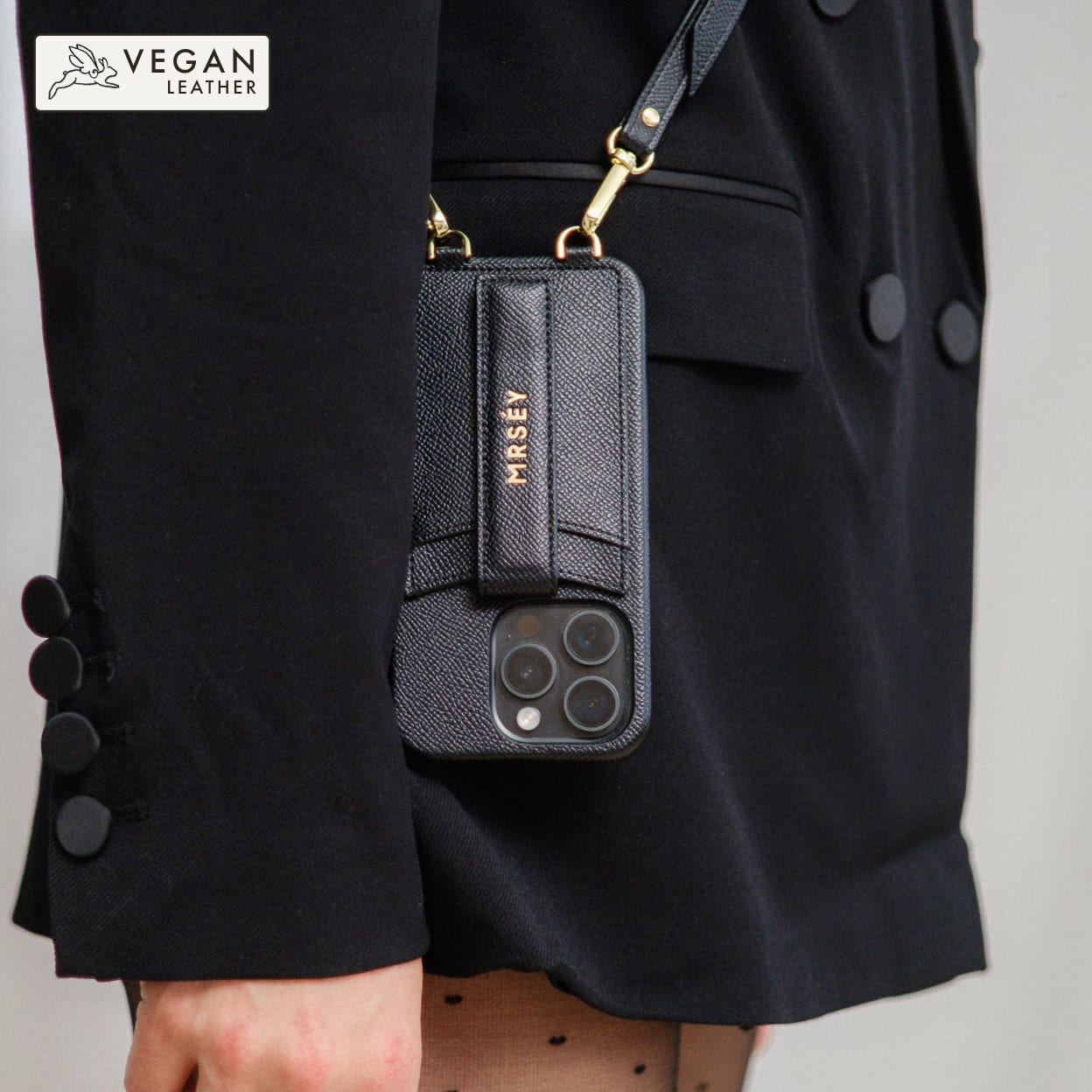
After carefully weighing all the options, we therefore deliberately chose a high-quality vegan PU leather that meets our high standards of quality and durability. This material not only respects animal welfare, but also allows us to create fashionable products that offer you versatile colours and structures while burdening nature as little as possible.

Our decision is based on the conviction that, with PU leather, we can currently make you the most beautiful, highest-quality products without harming a single hair on any animal – or losing sight of new innovations.

What does PETA-Approved mean?

We are proud of this very conscious decision. MRSÉY is officially "PETA-Approved Vegan"!

The "PETA-Approved Vegan" certification is a strict review process in which our products and their manufacturing processes were checked for the absence of animal-derived ingredients and animal testing.

Our vegan leather types

When we founded MRSÉY, we wanted to offer you not only a functional iPhone case, but also a fashion accessory. While other cases made of silicone, plastic or rubber look very sporty and technical, we wanted to offer you a more feminine alternative. Something you can wear at work and in your free time, that fits well into your look and allows you to follow different trends.

Lambskin

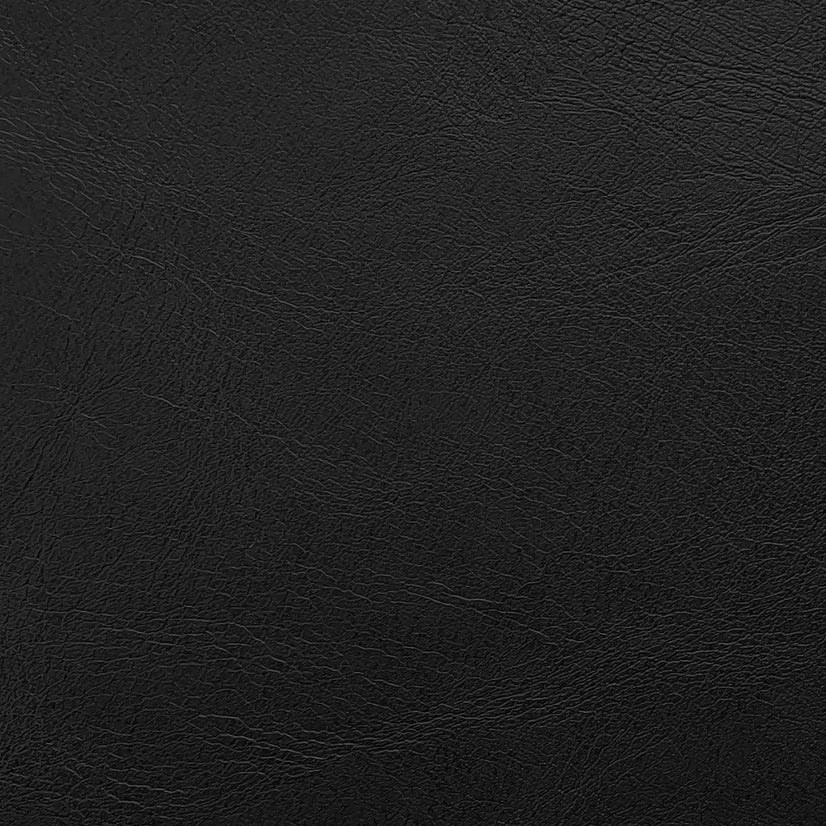
As the name suggests, the Lambskin structure is inspired by lamb nappa. Thanks to its smooth surface, vegan leather in a Lambskin look is particularly suited to seasonal, intense colours. Here no striking embossing steals the show from the colour, and it can come across particularly pure and without shading.
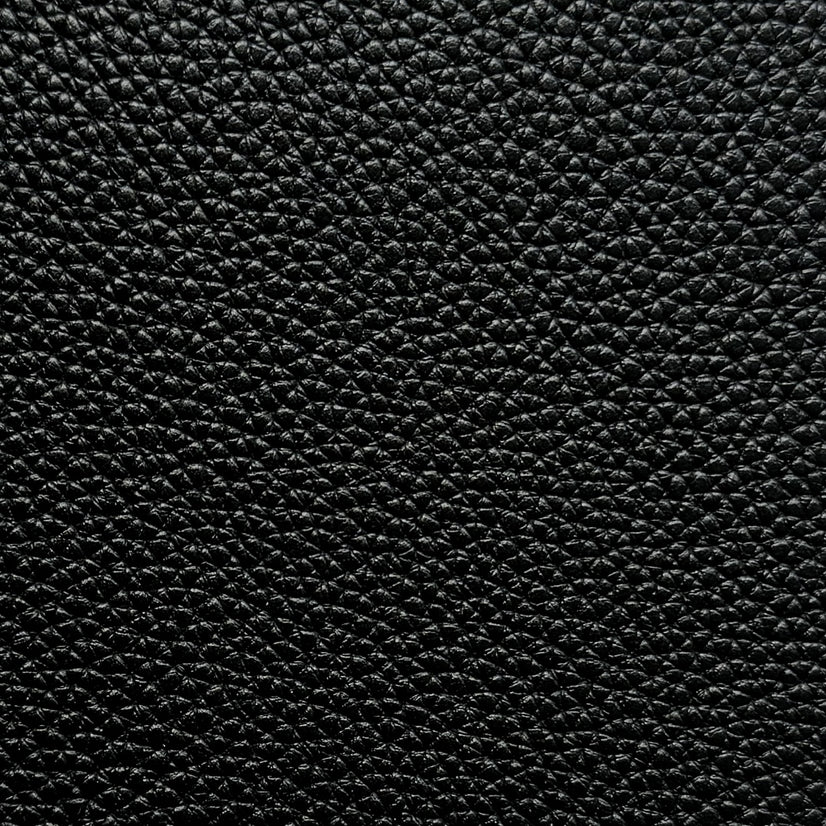
Pebbled

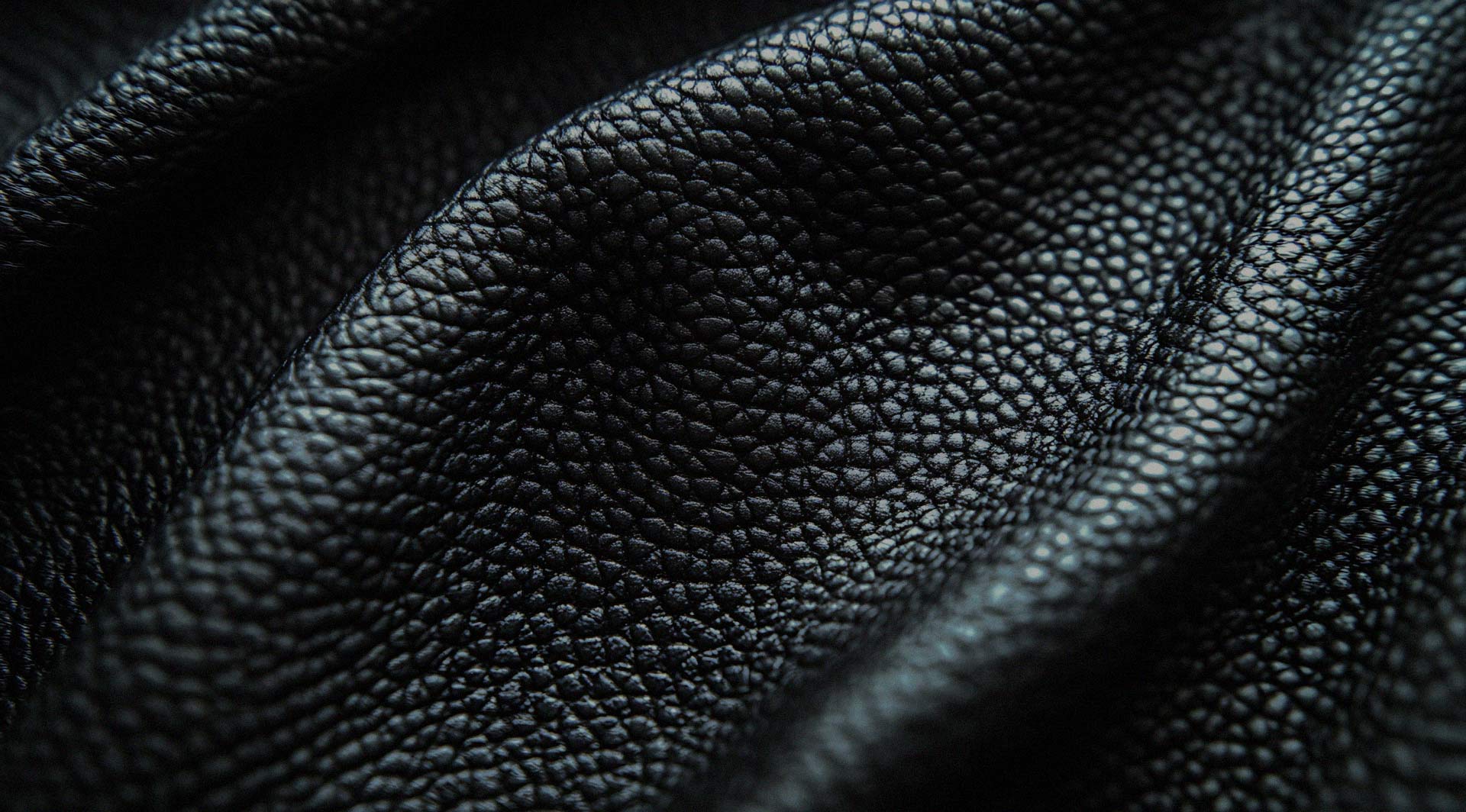
Pebbled leather looks exactly as its name suggests. Inspired by classic cowhide, it has a finely structured surface. Thanks to its classic look, the big bag designers like to use pebbled leather for their casual lines, hobo bags and softly constructed shapes. It is soft, drapes beautifully and is therefore particularly feminine.
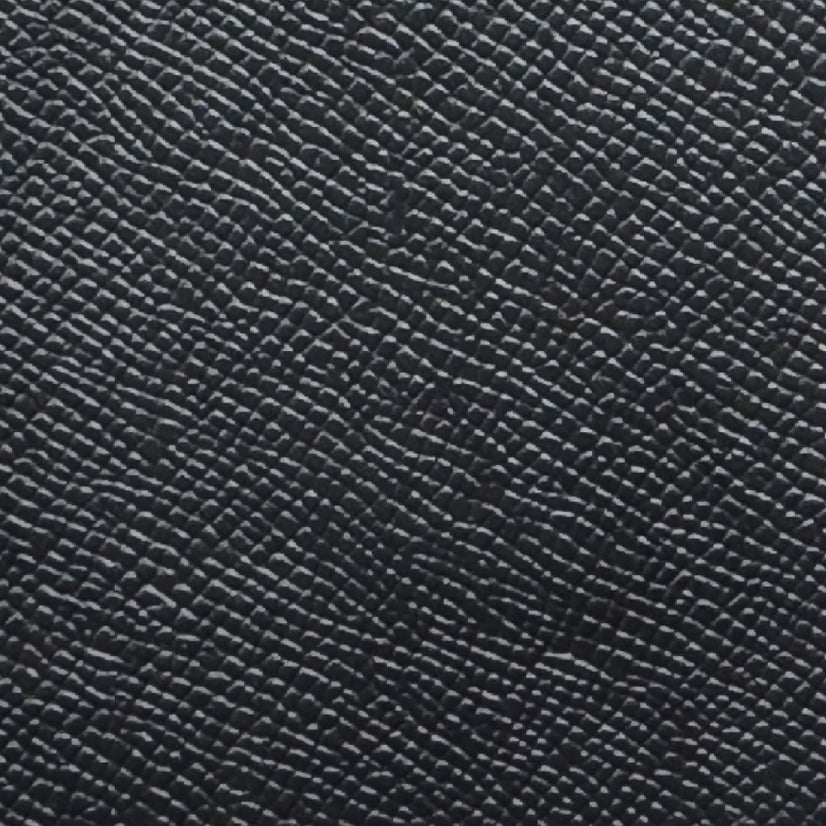
Saffiano

Even in the case of genuine leather, Saffiano is not a natural grain but an artificially embossed surface structure. Its characteristic cross-hatch is set with the help of lacquer. Saffiano was originally developed by Prada. Gradually, however, other brands have developed their own relief prints.
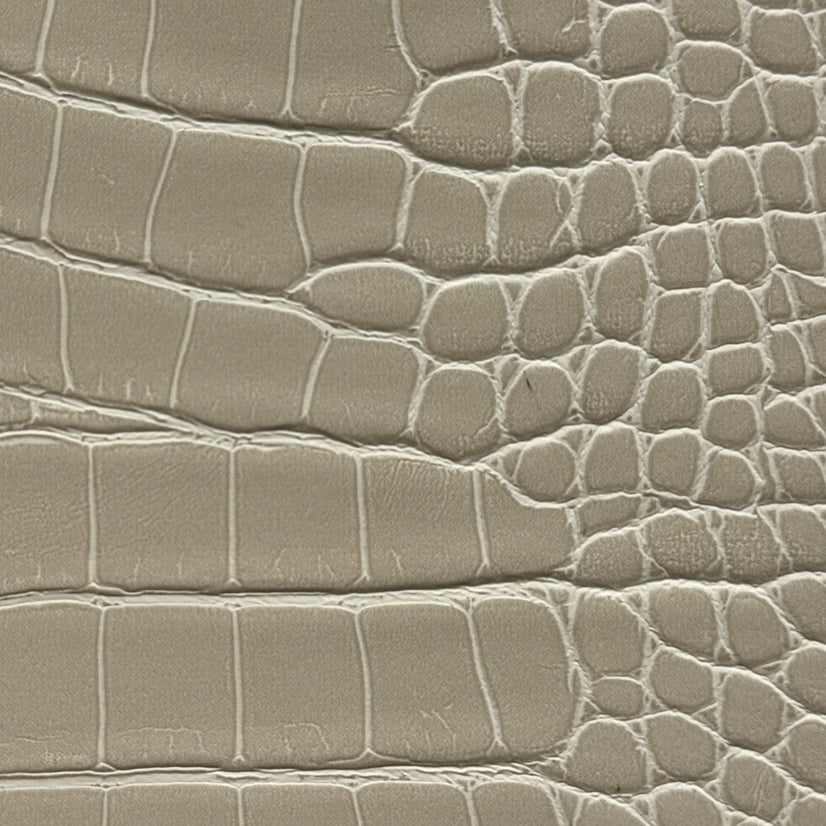
Croco

As you can probably guess, the Croco structure imitates the natural grain of crocodile leather. If you like it a little more eye-catching, the Croco embossing is right for you. The imitation of the differently sized skin plates as well as the interplay of gloss and matt and the different shadings bring a lot of movement to your look.
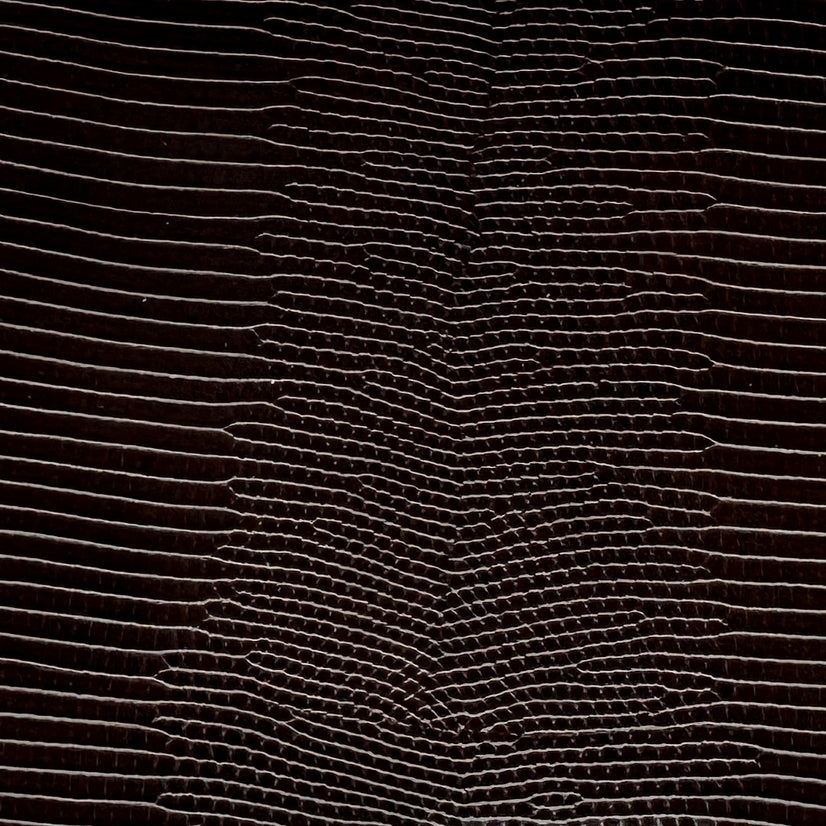
Lizard

Inspired by nature, the different scale sizes of a lizard give this grain a special depth and elegance. Unlike the Croco embossing, the lizard structure appears somewhat more graphic and is ideal for subtle colours, to which it gives a special depth. Particularly edgy, it gives classic, supposedly boring colours that certain something.

Discover the collections

iPhone Cases
Discover
Crossbody Sets
Discover
Accessories
Discover